

Why State Governments Are Expanding Gun Regulations
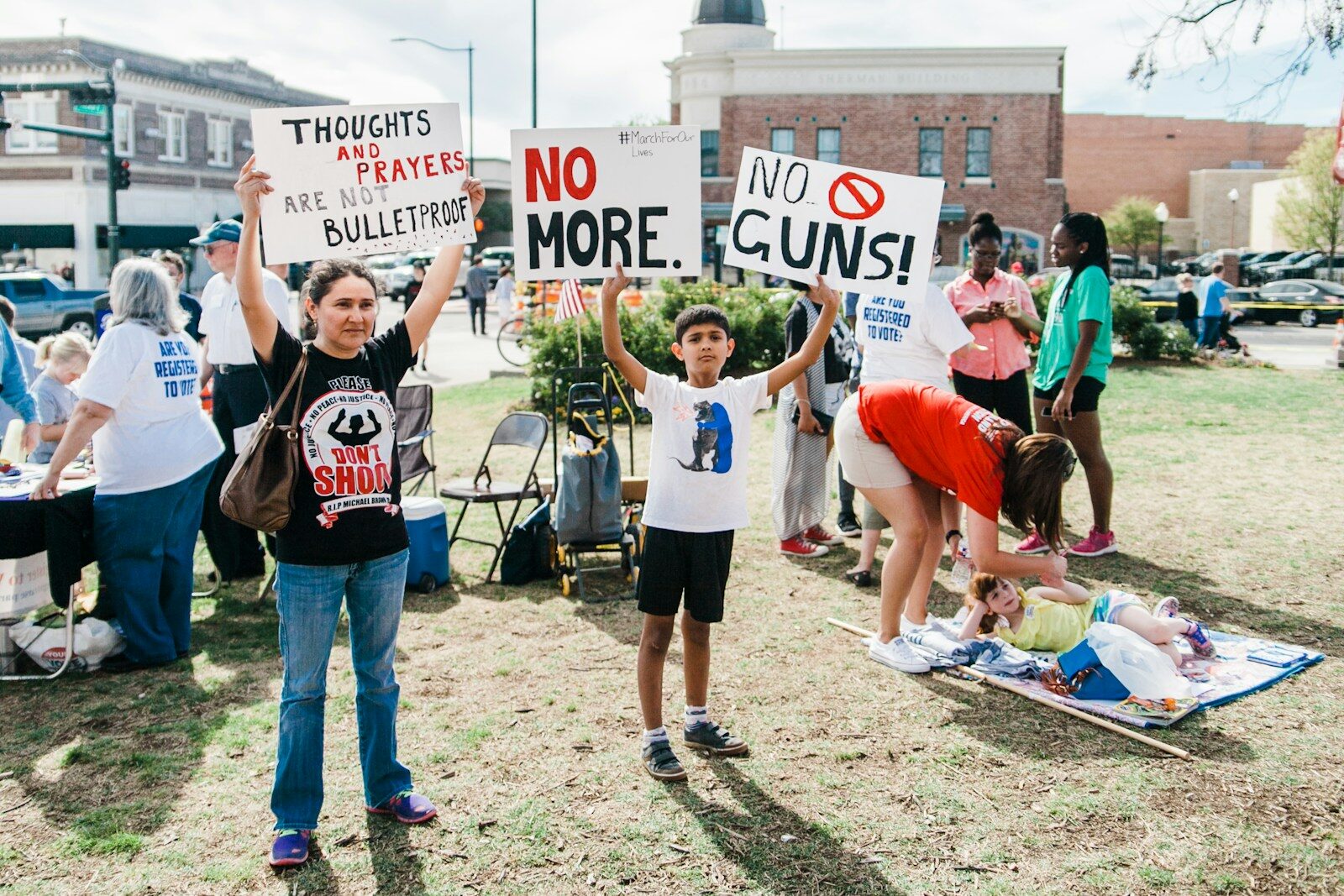
A Patchwork of Gun Laws Across the Country
Gun policy in the United States has increasingly shifted to the state level, where lawmakers are passing a wide range of regulations that vary significantly from one state to another. While federal gun laws still set a baseline, many of the most impactful changes in recent years have come from state legislatures.
Some states have expanded background check requirements, enacted red flag laws, or restricted certain types of firearms and accessories. Others have moved in the opposite direction, loosening regulations and expanding gun rights.
The result is a growing patchwork of laws that reflect regional political priorities and ongoing debates about public safety and individual rights.
Rising Concerns Over Public Safety
One of the primary drivers behind expanding gun regulations is concern over public safety.
High-profile mass shootings and rising gun violence in certain cities have pushed lawmakers to take action at the state level. In many cases, states have moved more quickly than Congress to respond to these concerns.
According to data from the Centers for Disease Control and Prevention, firearm-related deaths in the United States have increased in recent years, prompting renewed debate over how to address gun violence.
Supporters of stricter regulations argue that targeted policies can help reduce dangerous situations and prevent individuals who pose a risk from accessing firearms.
The Role of Red Flag Laws
One of the most significant developments in state-level gun policy has been the expansion of red flag laws, also known as Extreme Risk Protection Orders.
These laws allow courts to temporarily remove firearms from individuals who are considered a threat to themselves or others.
According to policy analysis from the Giffords Law Center, more than a dozen states have adopted red flag laws, with additional states considering similar legislation.
Supporters say these laws can help prevent tragedies by intervening before a crisis escalates.
Critics, however, raise concerns about due process and potential misuse of the system.
Expanding Background Check Requirements
Several states have also moved to expand background check requirements beyond federal standards.
While federal law requires background checks for purchases from licensed dealers, some states now require checks for private sales or transfers.
According to the Bureau of Alcohol, Tobacco, Firearms and Explosives, federal regulations do not cover all private firearm transactions, leaving room for states to create additional requirements.
Supporters argue that closing these gaps can help prevent firearms from reaching prohibited individuals.
Political Divides and State-Level Action
Gun policy has become one of the most politically divisive issues in the country, and state governments often reflect those divisions.
States with more urban populations and Democratic leadership have generally pursued stricter regulations, while more rural and Republican-led states have focused on expanding gun rights.
According to legislative tracking from the National Conference of State Legislatures, dozens of gun-related bills are introduced at the state level each year, covering a wide range of policies.
This state-by-state approach allows lawmakers to respond to the priorities of their constituents, but it also creates significant differences in how gun laws are applied across the country.
Legal Challenges and Constitutional Questions
As states expand gun regulations, many of these laws face legal challenges.
Courts are frequently asked to determine whether new regulations align with the Second Amendment.
Recent rulings have emphasized historical interpretations of gun rights, adding another layer of complexity to the legal landscape.
According to analysis from the Congressional Research Service, ongoing court cases will likely continue shaping how far states can go in regulating firearms.
A Debate That Continues to Evolve
The expansion of state-level gun regulations reflects a broader shift in how policy is being made in the United States.
With Congress often divided, states are increasingly taking the lead on controversial issues.
For supporters, state action represents an opportunity to address safety concerns more quickly.
For opponents, it raises concerns about inconsistent laws and potential overreach.
As public opinion, legal rulings, and political leadership continue to evolve, gun policy will likely remain a central issue at the state level.
And with each new law passed, the balance between regulation and individual rights continues to be tested across the country.