
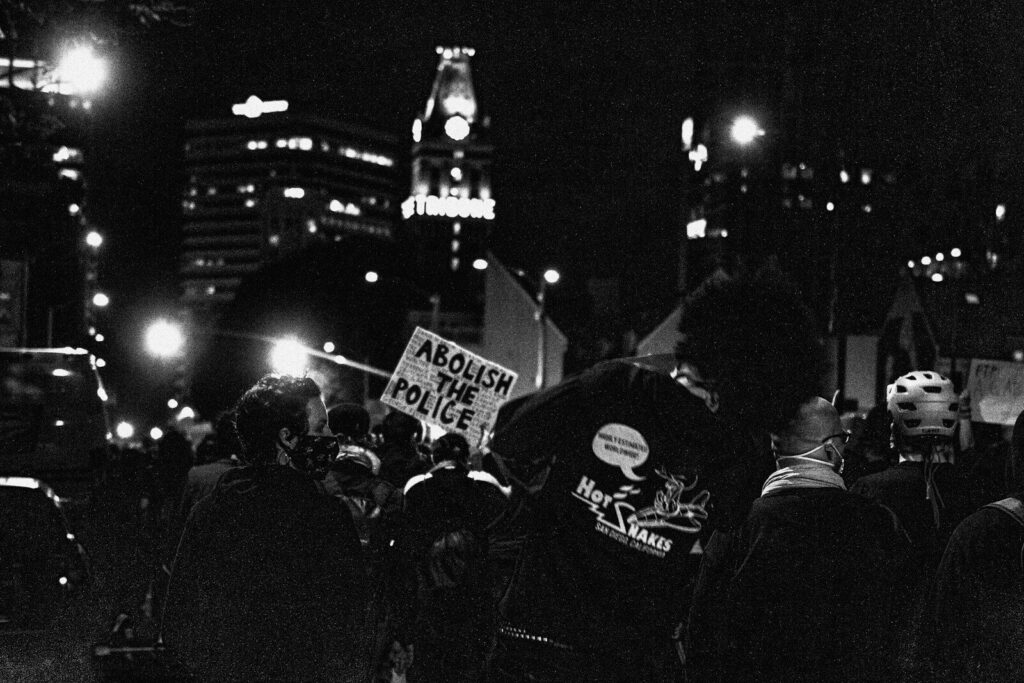
The Growing Debate Over Police Reform Across the U.S.
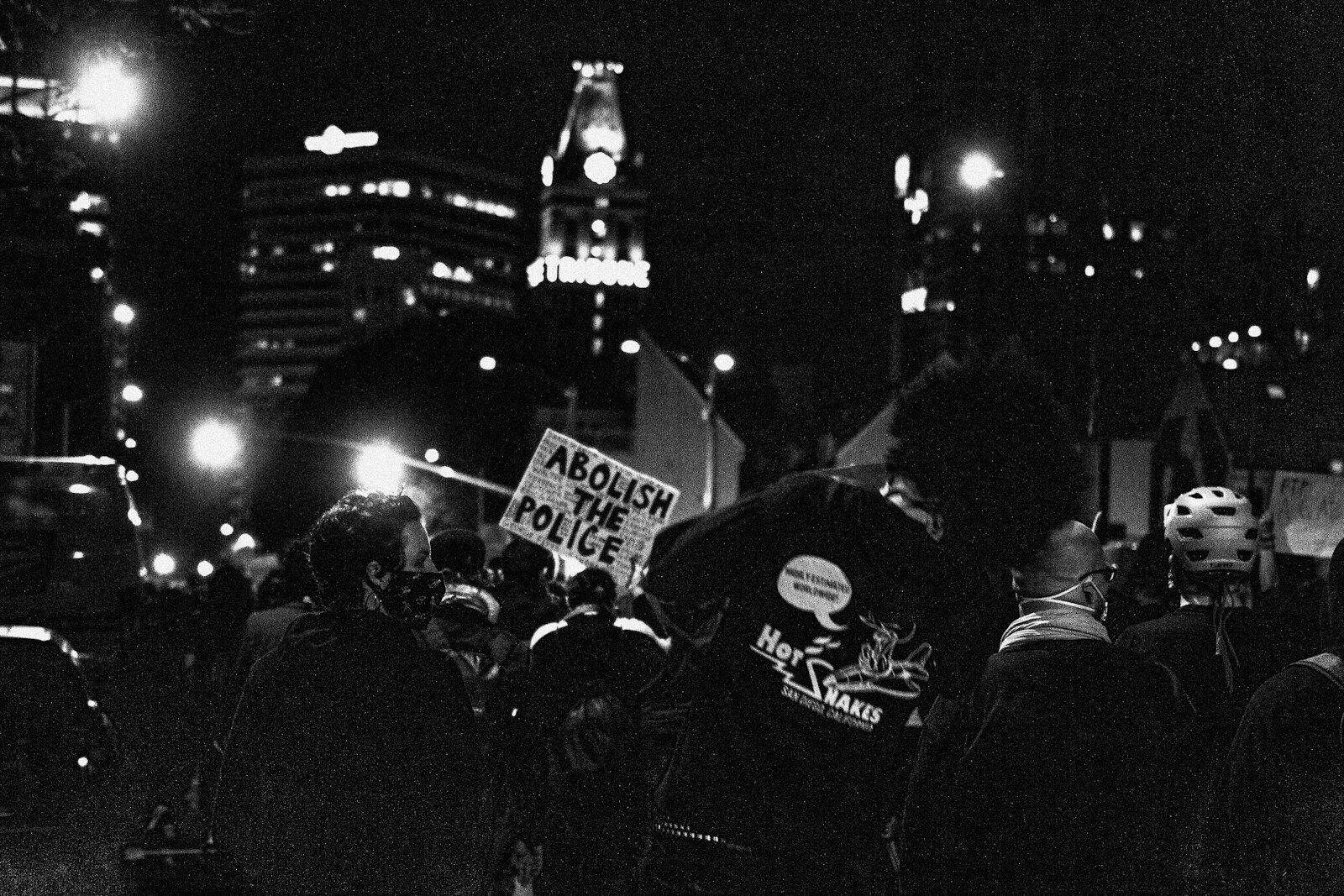
A National Issue Playing Out Locally
Police reform has become one of the most widely debated issues in the United States, shaping conversations from city halls to state legislatures. While law enforcement policy was once largely handled at the local level with limited national attention, recent years have brought the issue into the political spotlight.
Today, states across the country are passing new laws, adjusting policies, and reevaluating how policing works in their communities. The result is a patchwork of approaches that reflect differing priorities around public safety, accountability, and community trust.
What’s Driving the Push for Reform
Calls for police reform have been fueled by high-profile incidents, public protests, and broader concerns about use-of-force policies and accountability.
According to data from the Bureau of Justice Statistics, millions of police-public interactions occur annually, and while the vast majority are routine, controversial encounters can drive national policy discussions.
Advocates for reform argue that increased transparency, better training, and stronger oversight are necessary to improve outcomes and rebuild trust in law enforcement.
These efforts have led to proposals including body camera mandates, changes to use-of-force standards, and expanded reporting requirements.
States Taking Different Paths
One of the defining aspects of the police reform debate is how differently states are responding.
Some states have implemented sweeping reforms, including restrictions on certain policing tactics and expanded independent investigations into officer-involved incidents.
Others have focused on increasing funding for law enforcement training, recruitment, and technology.
According to tracking from the National Conference of State Legislatures, states have introduced hundreds of policing-related bills in recent years, reflecting a wide range of approaches.
This state-by-state variation means policing can look very different depending on where someone lives.
The Role of Community Policing
Many reform efforts emphasize community policing as a way to improve relationships between officers and residents.
This approach focuses on building trust through regular interaction, problem-solving, and local engagement rather than relying solely on enforcement.
According to research from the U.S. Department of Justice, community policing strategies can reduce crime while strengthening ties between law enforcement and the public.
Supporters see this as a long-term solution that benefits both officers and communities.
Concerns From Law Enforcement
While many officers support certain reforms, there are also concerns about how changes may affect their ability to do their jobs.
Some argue that increased restrictions could limit decision-making in high-risk situations, while others point to growing challenges in recruitment and retention.
According to workforce data from the Police Executive Research Forum, many departments have reported staffing shortages in recent years.
These concerns have added another layer to the debate, as policymakers weigh reform efforts against maintaining effective public safety.
A Debate That Continues to Evolve
The conversation around police reform remains complex and deeply tied to broader political and social issues.
While there is general agreement on the importance of safety, there is less consensus on how best to achieve it.
As states continue to experiment with different policies, the debate is likely to shape law enforcement practices for years to come.
And for communities across the country, the outcome of these discussions will play a major role in defining the future of policing.