
U.S. and Israel Expand Strikes on Iran as Regional Conflict Escalates
Military tensions in the Middle East escalated sharply this week as the United States and Israel expanded coordinated strikes against Iranian targets, while Tehran launched retaliatory missile and drone attacks across the region. The rapidly evolving conflict has raised fears of a wider regional war and renewed debate in Washington over the scope of U.S. involvement.
According to Reuters, the United States has increased its military posture in the region while targeting Iranian military infrastructure following earlier strikes by Israel. Meanwhile, Iranian forces and allied militias have launched missiles and drones toward U.S. and Israeli assets in response.
Strikes Target Iranian Military Infrastructure
U.S. and Israeli officials say the strikes are aimed at degrading Iran’s ability to threaten regional security and attack allied forces.
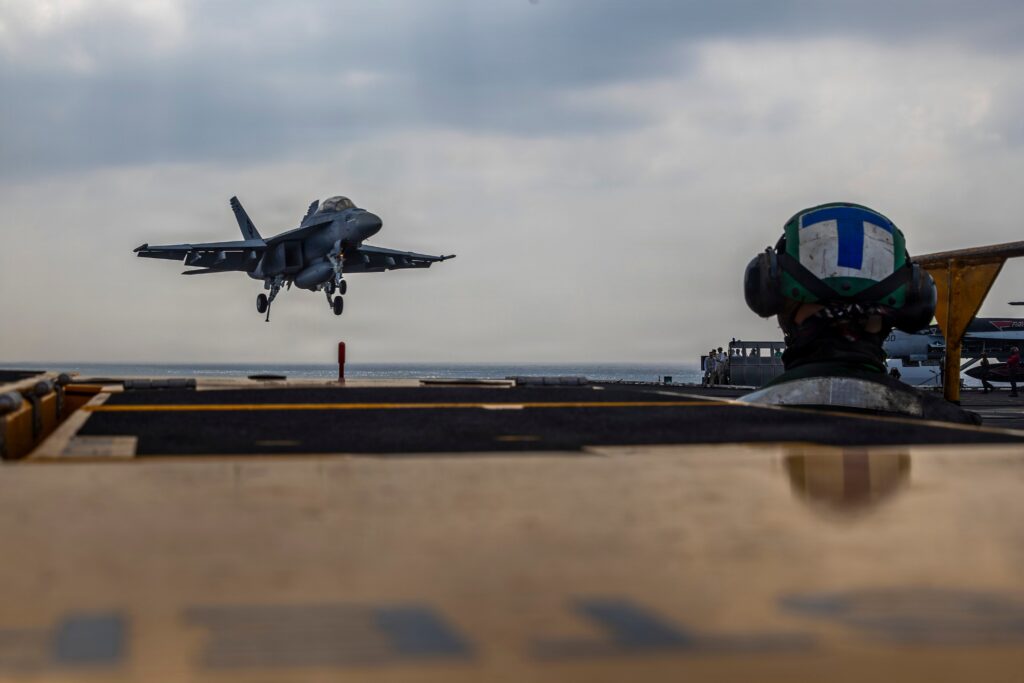
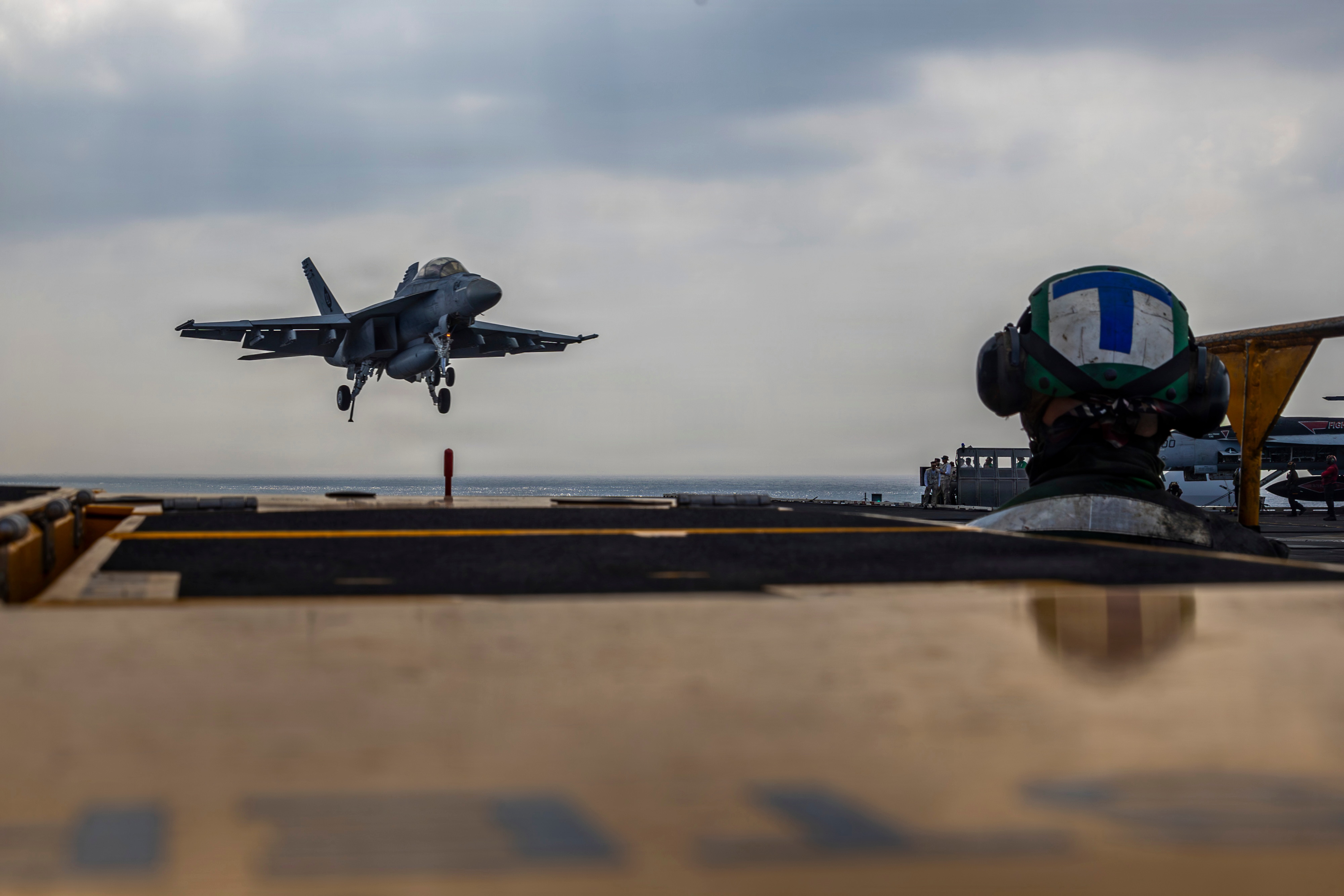
According to reporting by Reuters, U.S. military officials have confirmed that American aircraft and naval forces are supporting operations targeting Iranian missile facilities, command infrastructure, and weapons depots.
Israeli leaders have also described the strikes as a defensive necessity. Israeli officials argue Iran’s expanding drone and missile programs pose a direct threat to the country and its allies.
Meanwhile, the Israeli military has conducted hundreds of air operations targeting what it says are Iranian military installations.
Iran Responds With Missile and Drone Attacks
Iran has responded by launching missiles and drones toward Israeli territory and U.S. military positions in the region.
According to The Guardian, Iranian officials have warned that continued strikes on their territory could trigger a broader military confrontation involving allied militias across the Middle East.
Tehran has also accused the United States of illegally assisting Israel’s attacks and warned that American forces could become direct targets if the campaign continues.
Regional observers say the exchange of attacks represents one of the most dangerous escalations between Iran and Israel in years.
Washington Faces Growing Pressure
The conflict has sparked renewed debate in Washington over U.S. military involvement.
Several members of Congress have questioned whether additional authorization is needed for expanded military operations. Others argue that defending U.S. forces and allies falls within the president’s existing authority.
According to Reuters, the Pentagon has been reinforcing its presence in the region in case the conflict expands further.
Defense analysts warn that miscalculation could quickly broaden the conflict beyond Iran and Israel.
Global Concerns Mount
International leaders are calling for restraint as tensions rise.
According to The Guardian, diplomats across Europe and the United Nations have urged both sides to de-escalate to prevent the conflict from spreading across the region.
Energy markets and shipping routes have also come under scrutiny. Analysts warn that a broader war involving Iran could disrupt oil shipments through the Strait of Hormuz, one of the world’s most critical energy chokepoints.
The Stakes Moving Forward
Military operations remain ongoing, and officials have provided few details about future plans.
For now, both sides appear locked in a cycle of attack and retaliation. Whether the confrontation stabilizes or spirals into a wider regional war may depend on decisions made in the coming days.
What is clear is that the conflict has already reshaped the security landscape of the Middle East—and the world is watching closely.