
Energy, Inflation, and Election-Year Politics: Why State Budgets Are Under Pressure

State governments across the country are entering budget season under mounting financial pressure as energy costs, inflation, and the expiration of federal pandemic relief funds converge. While national economic indicators show moderating inflation compared to peak levels, state fiscal officers warn that structural challenges remain.
The squeeze is becoming increasingly visible in debates over infrastructure spending, education funding, and public safety allocations.
Energy Markets Drive Uncertainty
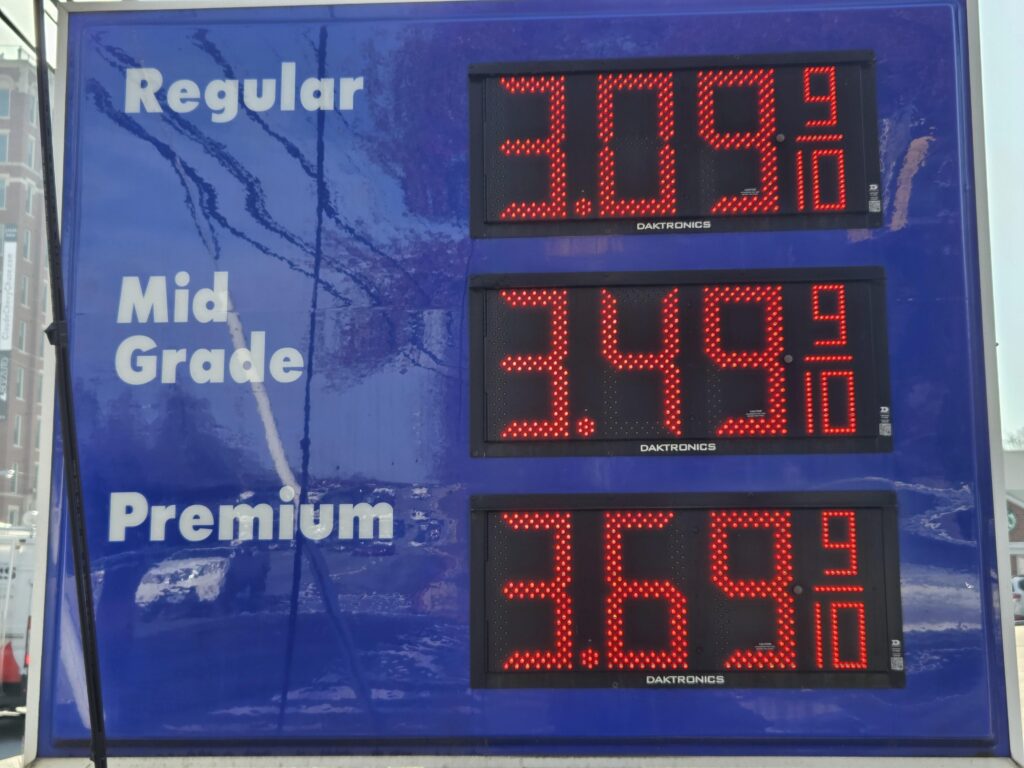
Oil production shifts, global supply disruptions, and OPEC decisions continue influencing gasoline prices nationwide. According to the U.S. Energy Information Administration, fuel price volatility directly affects state tax revenues in states that rely heavily on gas taxes for transportation funding.
At the same time, electric vehicle adoption is gradually reducing traditional fuel tax collections, forcing lawmakers to consider alternative revenue models.
Federal Funds Drying Up
During the COVID-19 pandemic, relief packages signed by President Donald Trump and later expanded under President Biden sent billions to states through stimulus programs. Those funds helped stabilize budgets, expand social programs, and support infrastructure projects.
According to state budget offices, much of that emergency funding has now expired, leaving states to absorb rising Medicaid costs and public employee wage increases without federal backstops.
Voters Watching Closely
Governors from both parties are emphasizing fiscal responsibility while navigating election-year politics. Some states are drawing down rainy-day reserves. Others are considering tax adjustments or spending reductions.
According to the National Association of State Budget Officers, revenue growth has slowed in several states compared to post-pandemic highs, though overall fiscal conditions remain stronger than during past recessions.
For voters, the implications are tangible: property tax debates, delayed infrastructure projects, and budget negotiations that could shape local services for years to come.
As election season accelerates, state budgets are more than financial documents—they are political statements about priorities and economic stewardship.
Energy markets may fluctuate and federal policy may shift, but the financial decisions made in state capitols this year will directly impact households nationwide.