
World Leaders Rush to Protect the Oceans as Global Summit Warns of “Critical Tipping Point”

Global leaders, environmental experts, and industry representatives gathered this week for the World Ocean Summit, warning that the planet’s oceans may be approaching a “critical tipping point” as climate change, pollution, and overfishing threaten marine ecosystems.
The summit, held in Montreal, brought together representatives from more than 60 countries to discuss strategies aimed at protecting global fisheries, strengthening marine conservation, and reducing environmental damage to the world’s oceans.
According to Global News, the conference highlighted the urgent need for international cooperation to prevent further degradation of marine ecosystems.
Fishing Industry and Conservation Groups Clash
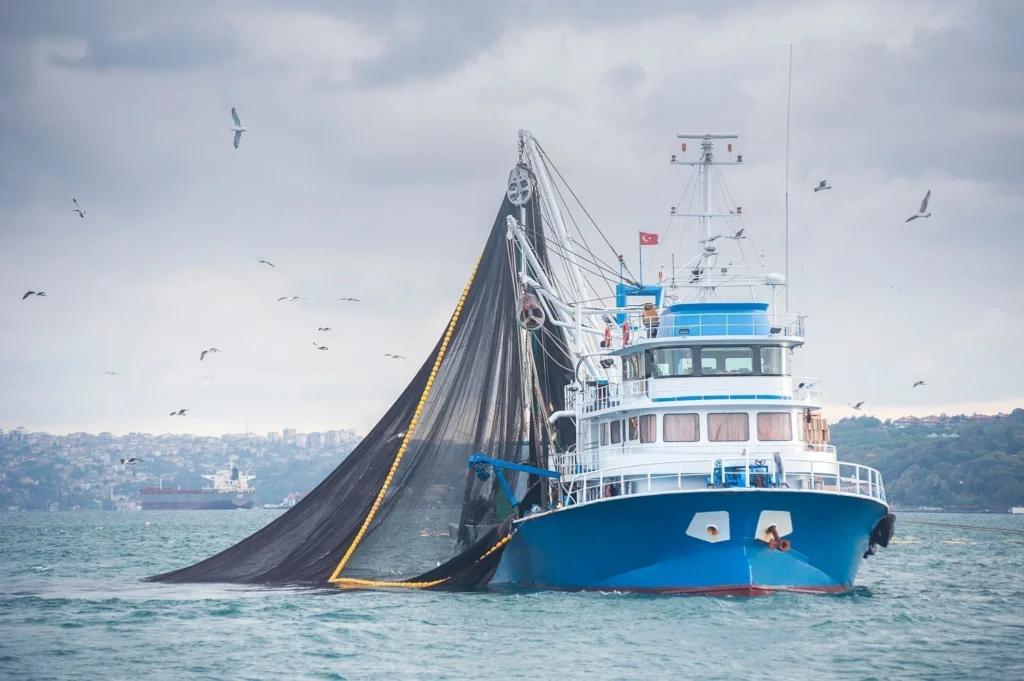
One of the most heated debates at the summit centered around fishing regulations.
Environmental advocates argue that overfishing is pushing some fish populations toward collapse.
According to researchers cited by Global News, certain commercial species have already declined significantly due to decades of heavy fishing pressure.
Fishing industry representatives, however, warned that overly strict regulations could devastate coastal economies dependent on fishing.
Climate Change Intensifying Ocean Stress
Scientists at the summit emphasized that climate change is compounding existing threats to marine ecosystems.
Rising ocean temperatures are causing widespread coral bleaching, while increased carbon dioxide levels are contributing to ocean acidification.
According to experts cited by Global News, these changes can weaken coral reefs and disrupt marine food chains.
Some researchers warn that large-scale ecosystem changes could occur if current trends continue.
Governments Consider New Marine Protections
Several governments announced plans to expand marine protected areas and strengthen enforcement against illegal fishing.
According to summit organizers, these measures are intended to safeguard biodiversity while allowing sustainable fishing practices.
International agreements targeting ocean pollution and plastic waste were also discussed.
The Stakes for the Planet
Oceans cover more than 70 percent of Earth’s surface and play a vital role in regulating the global climate.
They also support billions of people through food production and economic activity.
Experts at the summit warned that failure to act could have far-reaching consequences for global food security and environmental stability.
The message delivered by leaders at the conference was clear: protecting the oceans is no longer optional—it is essential.