
Why the U.S.–China Relationship Is Shaping Domestic Politics
A Foreign Relationship With Domestic Impact
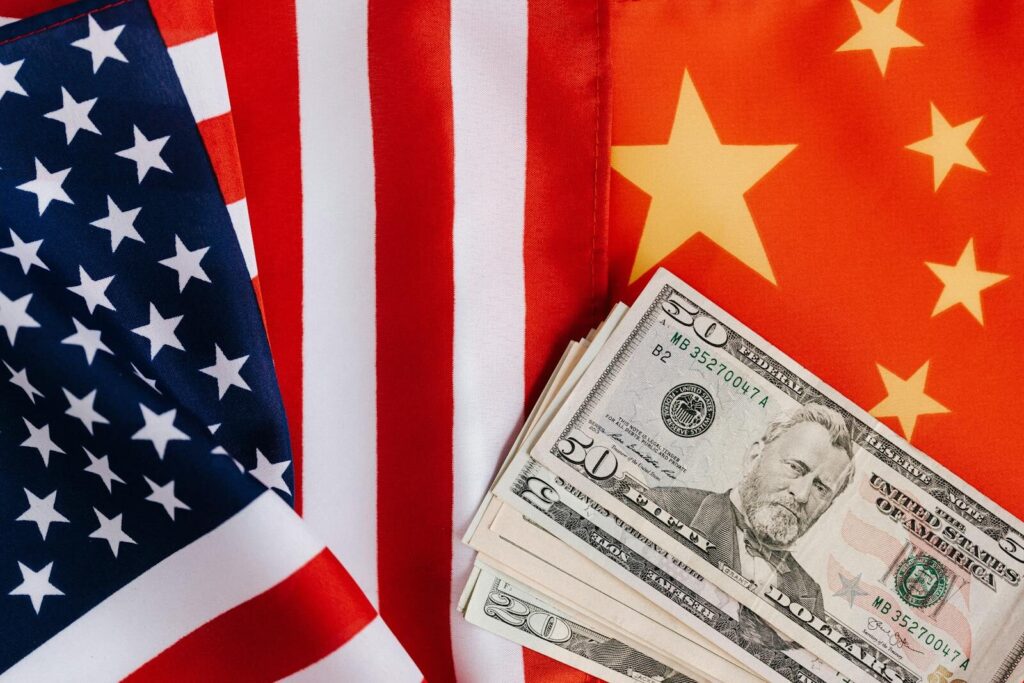
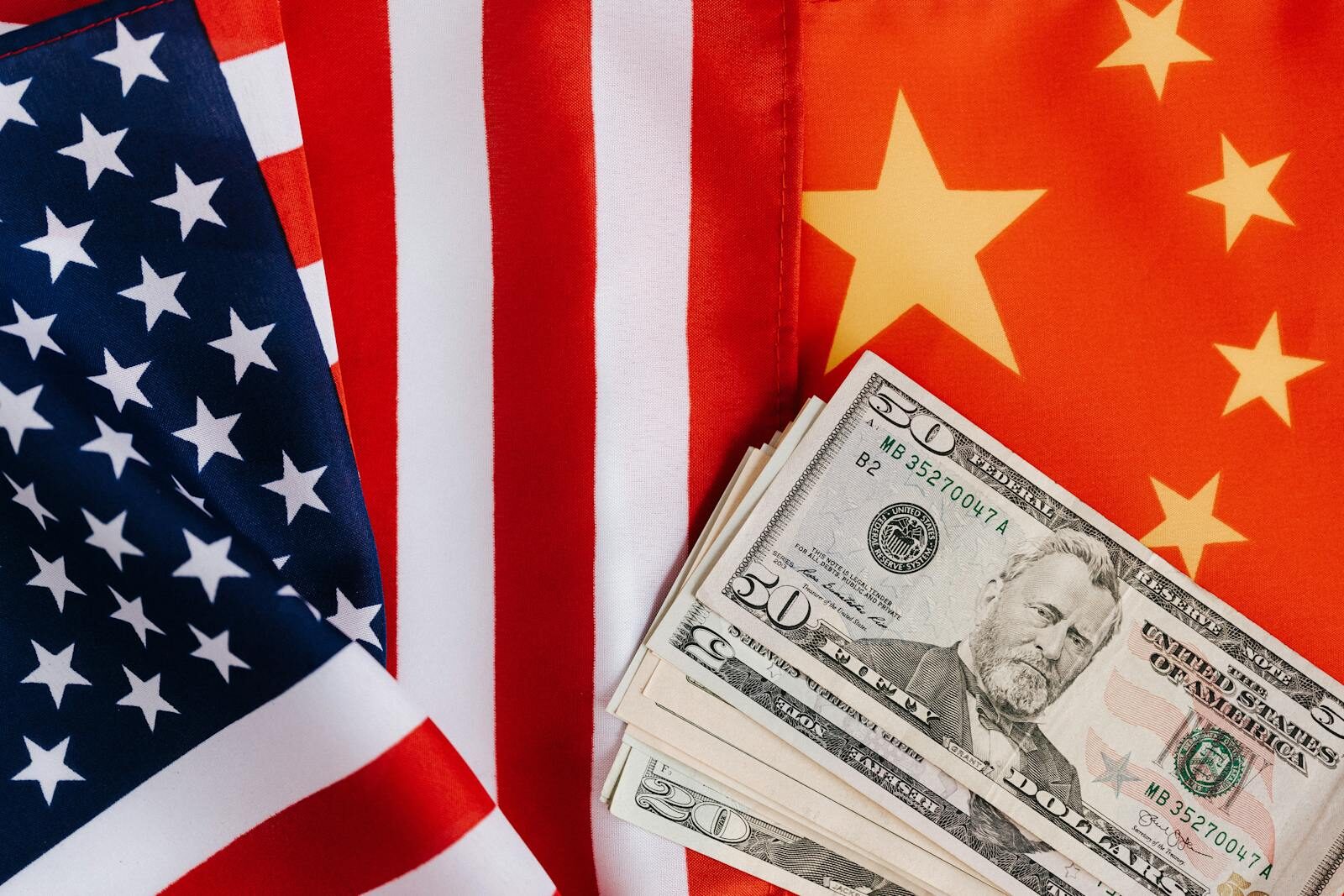
Few international relationships influence American domestic politics as much as the one between the United States and China. Over the past two decades, economic competition, technological rivalry, and geopolitical tensions have transformed the relationship into one of the most consequential policy issues facing both countries.
What was once primarily a foreign policy matter is now shaping debates about trade policy, manufacturing, national security, and economic strategy within the United States.
Politicians across the political spectrum increasingly reference China when discussing domestic policy decisions, from industrial development to education and technological innovation.
As tensions between the two global powers evolve, the ripple effects are being felt across American politics.
Trade and Economic Competition
Economic competition between the United States and China has become one of the central elements of the relationship.
China’s rapid economic growth over the past several decades has transformed it into the world’s second-largest economy. According to the World Bank, China’s industrial expansion has dramatically increased its share of global manufacturing.
Many American policymakers argue that the rise of Chinese manufacturing has contributed to job losses in certain U.S. industries.
Research from the National Bureau of Economic Research has found that competition from Chinese imports affected employment in several American manufacturing sectors during the early 2000s.
In response, U.S. policymakers have implemented tariffs, trade restrictions, and industrial policies aimed at strengthening domestic production.
Technology and National Security
Technological competition has also become a major driver of domestic political debate.
Semiconductors, artificial intelligence, and telecommunications networks are now viewed as critical components of national security.
According to the Center for Strategic and International Studies, both the United States and China are investing heavily in semiconductor manufacturing in an effort to secure technological independence.
American lawmakers have passed legislation designed to boost domestic chip production and limit certain technology exports to China.
Supporters say these policies are necessary to protect national security and prevent sensitive technology from being used by rival powers.
Critics warn that escalating restrictions could disrupt global supply chains and increase economic tensions.
Political Consensus Is Emerging
Despite deep partisan divisions on many issues, concerns about China have created rare areas of bipartisan agreement in Washington.
Members of both major political parties have supported policies designed to strengthen American manufacturing, expand research funding, and reduce reliance on foreign supply chains.
According to analysis from the Brookings Institution, political leaders increasingly frame domestic economic policy through the lens of global competition with China.
Issues such as infrastructure investment, education funding, and industrial development are often discussed as part of a broader effort to maintain American economic leadership.
The Role of Public Opinion
Public attitudes toward China have also shifted significantly in recent years.
Surveys conducted by the Pew Research Center show that unfavorable views of China among Americans have increased over the past decade.
Concerns about trade imbalances, intellectual property disputes, and geopolitical tensions have contributed to this shift.
These public attitudes can influence political messaging and policy priorities as elected officials respond to voter concerns.
A Relationship That Will Shape Policy for Decades
The U.S.–China relationship is likely to remain one of the most influential forces shaping American domestic policy.
Economic competition, technological development, and national security concerns are all deeply connected to how the two countries interact.
As policymakers navigate this complex relationship, decisions made in Washington will continue affecting industries, communities, and political debates across the United States.
The intersection of global rivalry and domestic policy ensures that the U.S.–China relationship will remain central to American political discussions for many years to come.