
Why States Are Challenging Federal Climate Policies
A Growing Clash Between State and Federal Authority
Across the United States, a growing number of states are challenging federal climate policies in court and through legislation. What once was primarily a federal regulatory issue has evolved into a major legal and political battle between state governments and Washington.
The disputes involve regulations on power plant emissions, vehicle standards, energy production, and environmental permitting. Some states argue that federal climate policies go beyond the authority granted to federal agencies and impose economic burdens on industries and consumers.
Others support aggressive climate action and have adopted policies that go even further than federal requirements.
The result is a complex patchwork of environmental policies and legal challenges that highlight the ongoing tension between state authority and federal regulation.
Federal Climate Policy Has Expanded in Recent Years
Federal climate initiatives have grown significantly over the past decade as policymakers attempt to reduce greenhouse gas emissions and address climate change.
Much of the federal government’s authority in this area comes from the Clean Air Act, which allows the Environmental Protection Agency to regulate air pollutants that may endanger public health or the environment.
The Supreme Court confirmed that authority in a landmark 2007 case, Massachusetts v. EPA, ruling that greenhouse gases qualify as pollutants under the Clean Air Act.
Since then, federal agencies have introduced regulations targeting emissions from power plants, vehicles, and industrial facilities.
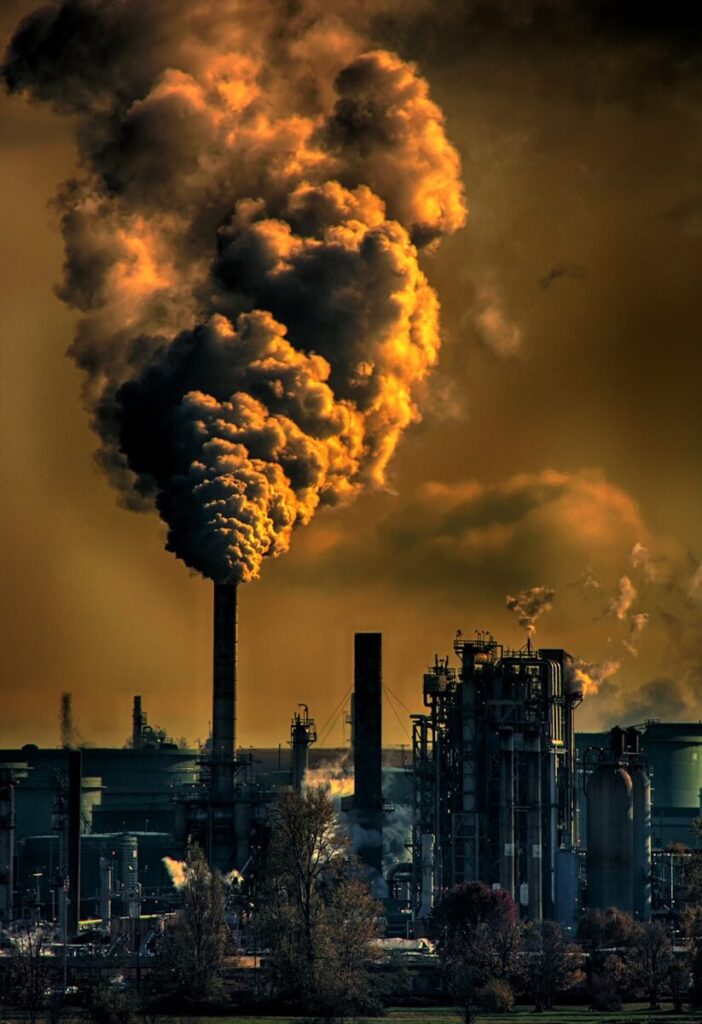
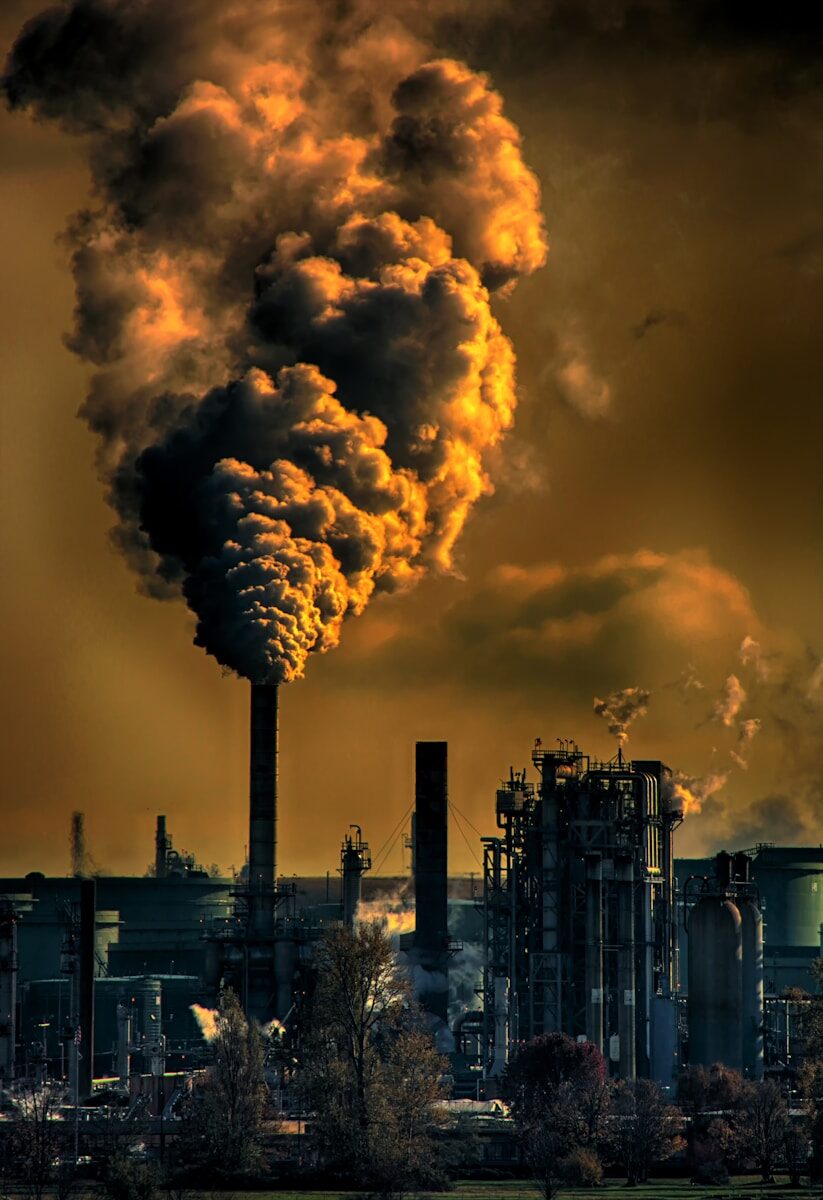
According to the Environmental Protection Agency, the power sector remains one of the largest sources of greenhouse gas emissions in the United States, making it a major focus of federal policy.
States Push Back Through Lawsuits
Several states have challenged federal climate regulations through legal action, arguing that federal agencies are exceeding their statutory authority.
State attorneys general have filed lawsuits questioning whether federal regulators can impose sweeping climate-related rules without explicit approval from Congress.
One of the most significant recent cases was West Virginia v. EPA, decided by the U.S. Supreme Court in 2022.
In that ruling, the Court held that federal agencies must have clear congressional authorization before implementing regulations with major economic and political consequences.
Legal experts say the decision reinforced limits on how federal agencies can implement climate-related policies.
According to analysis from the Congressional Research Service, the ruling could influence how future climate regulations are designed and defended in court.
Economic Concerns Driving Opposition
Economic concerns play a major role in why some states oppose federal climate regulations.
States with large fossil fuel industries—including coal, oil, and natural gas—often argue that strict federal emissions rules could lead to job losses and higher energy prices.
Energy-producing states frequently emphasize the economic importance of domestic energy production and its role in supporting local economies.
According to data from the U.S. Energy Information Administration, the United States remains one of the world’s largest producers of oil and natural gas.
Supporters of federal climate policies argue that transitioning to renewable energy can create new industries and jobs while reducing environmental risks.
However, the pace and cost of that transition remain key points of political disagreement.
States Taking Their Own Climate Action
While some states are challenging federal climate policies, others are moving forward with their own aggressive climate initiatives.
States such as California and New York have adopted policies designed to reduce emissions through renewable energy expansion, electric vehicle mandates, and stricter building standards.
California, in particular, has long held special authority under federal law to establish vehicle emissions standards that exceed federal requirements.
According to the California Air Resources Board, the state has set ambitious targets for reducing greenhouse gas emissions and expanding clean energy.
Other states have followed California’s lead by adopting similar policies.
This dynamic means climate policy is increasingly shaped not just in Washington but also in state capitols across the country.
The Courts Are Becoming Key Battlegrounds
As disagreements between state and federal governments intensify, courts are increasingly being asked to resolve disputes over climate policy.
Legal challenges can determine whether federal agencies have the authority to implement certain regulations and whether states must comply with those rules.
Environmental law scholars note that these court battles could shape how climate policy is implemented for decades.
According to research from Harvard Law School’s Environmental and Energy Law Program, federal climate regulations are likely to face ongoing legal scrutiny as policymakers attempt to address complex environmental challenges.
A Debate That Reflects Broader Political Divisions
The debate over federal climate policy reflects broader political divisions about the role of government, economic priorities, and environmental responsibility.
Supporters of stronger federal action argue that climate change requires coordinated national policies to reduce emissions and accelerate clean energy development.
Opponents often emphasize the importance of state authority, economic flexibility, and the potential costs of rapid regulatory changes.
As energy markets evolve and climate policy continues to develop, the tension between state governments and federal regulators is likely to remain one of the most important political and legal battles shaping America’s environmental future.