

U.S. Submarine Reportedly Sinks Iranian Warship in Rare Torpedo Strike
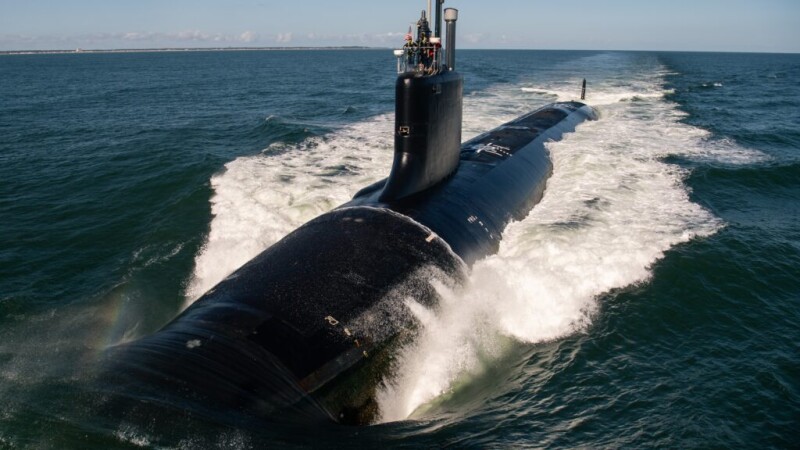
Reports emerging from defense and military sources say a United States Navy submarine launched a torpedo that sank an Iranian warship near Sri Lanka on March 4, 2026, marking what could become a historic moment in modern naval warfare.
If confirmed, military analysts say the attack would represent the first time since World War II that a U.S. Navy torpedo has sunk an enemy vessel in combat. Defense experts say the event highlights how submarine warfare remains one of the most powerful and secretive capabilities in modern military strategy.
Officials have not yet publicly confirmed the full details of the engagement, but early reports indicate the Iranian vessel was operating in international waters when it was struck.
A Rare Moment in Modern Naval Warfare
Submarine combat was once a defining feature of naval warfare during World War II, when torpedoes were widely used to sink enemy ships.
According to historical records from the Naval History and Heritage Command, American submarines sank more than 1,300 enemy vessels during World War II, primarily in the Pacific theater.
In the decades since that conflict, however, direct torpedo engagements between major naval forces have become extremely rare.
Most modern naval combat operations have relied on aircraft, missiles, and guided weapons rather than submarine-launched torpedoes.
That is why defense analysts say the reported sinking of an Iranian warship would represent an unusual and significant development.
Where the Reported Attack Occurred
Early reports say the incident occurred in waters near Sri Lanka, a strategically important region along major international shipping lanes in the Indian Ocean.
The waters surrounding Sri Lanka sit along some of the world’s busiest maritime trade routes, connecting the Middle East, Asia, and Europe.
Military analysts say naval activity in the region has increased in recent years as global powers maintain security operations along key shipping corridors.
According to defense reporting from Reuters, U.S. forces have been operating throughout the region as part of broader efforts to monitor military activity linked to tensions involving Iran.
Iran’s Naval Forces
The Iranian navy operates a mix of older surface warships, submarines, and fast attack vessels designed for operations in the Persian Gulf and surrounding waters.
According to the International Institute for Strategic Studies, Iran’s naval forces focus heavily on asymmetric warfare tactics designed to challenge larger naval powers.
These tactics often rely on smaller fast boats, mines, and anti-ship missiles rather than large traditional fleets.
However, Iran also operates several frigates and destroyer-class ships that patrol regional waters.
Why Submarines Remain So Powerful
Submarines are widely considered one of the most lethal platforms in modern naval warfare because of their ability to operate undetected beneath the ocean’s surface.
According to analysis from the Center for Strategic and International Studies, modern attack submarines are capable of launching torpedoes and cruise missiles while remaining nearly invisible to enemy sensors.
Torpedoes themselves remain devastating weapons. A modern heavyweight torpedo carries a powerful explosive charge capable of breaking the hull of large warships.
Military experts say a single torpedo strike can cripple or sink even heavily armed surface vessels.
Limited Details Still Emerging
At this stage, U.S. officials have not publicly released extensive details about the engagement.
The Pentagon has not confirmed which submarine may have been involved or what specific Iranian vessel was struck.
Military analysts note that submarine operations are among the most closely guarded secrets in naval warfare, meaning official confirmation may take time.
Still, reports circulating among defense observers suggest the attack could represent a rare example of direct submarine combat in the modern era.
A Historic Naval Moment If Confirmed
If the reports are verified, the sinking of an Iranian warship by a U.S. torpedo would mark one of the most significant naval combat events in decades.
For historians of naval warfare, it would also close a long gap stretching back to World War II—the last time American submarines routinely destroyed enemy ships with torpedoes.
Whether the incident becomes a major turning point in regional tensions remains to be seen.
But one thing is certain: the quiet power of submarines beneath the ocean’s surface continues to shape the balance of power on the world’s seas.