
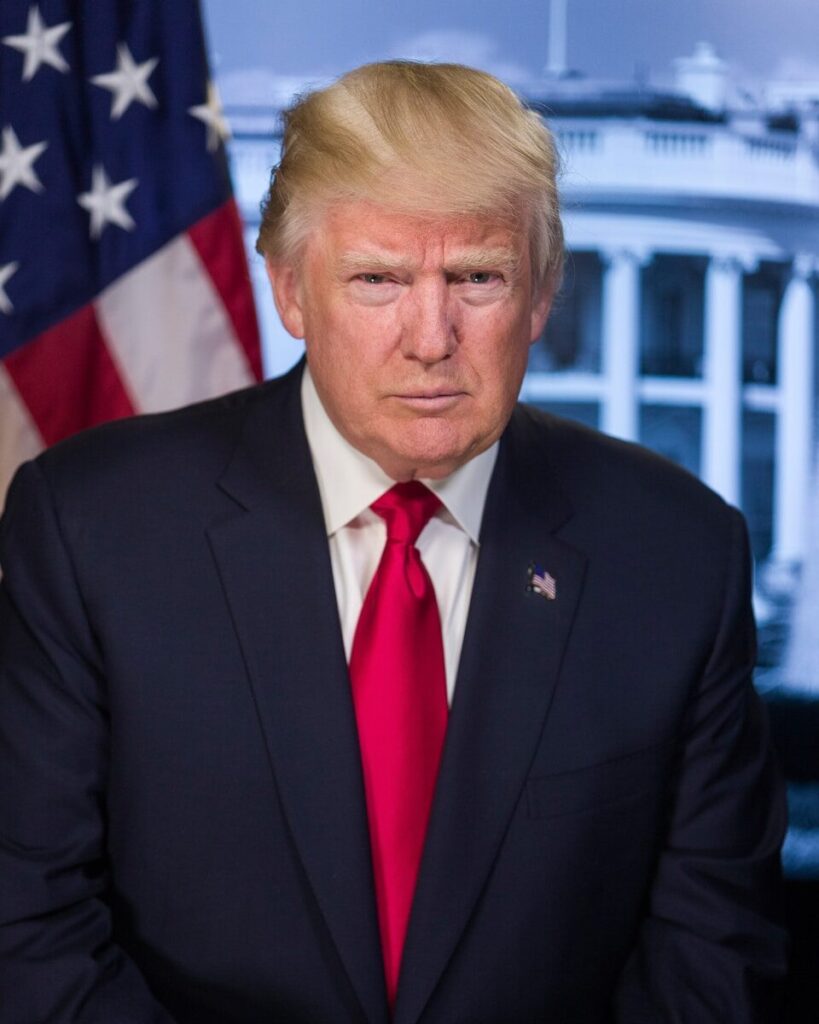
Former President Donald Trump has once again placed tariffs at the center of the national economic conversation, arguing that aggressive trade measures are necessary to protect American industries and workers.
Tariffs — taxes placed on imported goods — were a defining feature of Trump’s first term. His administration imposed sweeping duties on products from China, as well as tariffs on steel and aluminum imports from multiple countries. The stated goal was to reduce trade imbalances, revive domestic manufacturing, and pressure trading partners to negotiate more favorable agreements.
Now, as trade and economic policy return to the forefront of political debate, Trump has doubled down on the strategy. He has proposed broad new tariffs on imported goods, including across-the-board duties in some cases, framing them as a tool to strengthen U.S. production and reduce reliance on foreign supply chains.
The Case for Tariffs
Supporters argue that tariffs level the playing field. They contend that foreign governments often subsidize industries or engage in practices that disadvantage American companies. By raising the cost of imported goods, tariffs can encourage companies to manufacture domestically and invest in U.S. workers.
Proponents also view tariffs as leverage in negotiations. During Trump’s presidency, tariff pressure was used in renegotiating trade agreements such as the United States–Mexico–Canada Agreement (USMCA), which replaced NAFTA.
From this perspective, tariffs are not just taxes — they are bargaining tools aimed at reshaping global trade relationships.
The Economic Concerns
Critics, however, argue that tariffs function as taxes on American consumers and businesses. When import costs rise, companies often pass those increases on to buyers in the form of higher prices. Economists across the political spectrum have warned that broad tariffs can contribute to inflationary pressure and strain supply chains.
There are also concerns about retaliation. During previous trade disputes, countries such as China responded with their own tariffs on American exports, affecting sectors like agriculture and manufacturing.
Some business groups argue that while targeted trade enforcement can be effective, sweeping tariffs risk unintended consequences that ripple through the broader economy.
A Political Flashpoint
The tariff issue highlights a broader philosophical divide in American politics: free trade versus economic nationalism.
For decades, leaders from both parties largely supported lower trade barriers and expanded global markets. Trump’s approach challenged that consensus, bringing a more protectionist stance into mainstream political debate.
Today, trade policy is no longer a niche issue. It intersects with national security, industrial policy, inflation, and domestic job growth. The debate over tariffs reflects deeper questions about how the United States should compete in a globalized economy.
What Comes Next
As economic pressures persist and geopolitical tensions remain high, trade policy is likely to remain a central issue in upcoming elections and legislative discussions. Whether through expanded tariffs or alternative strategies, policymakers face decisions that could shape supply chains, consumer prices, and American manufacturing for years to come.
The tariff debate is ultimately about more than imports and exports. It is about the balance between global integration and domestic protection — and how the United States defines its economic future.