
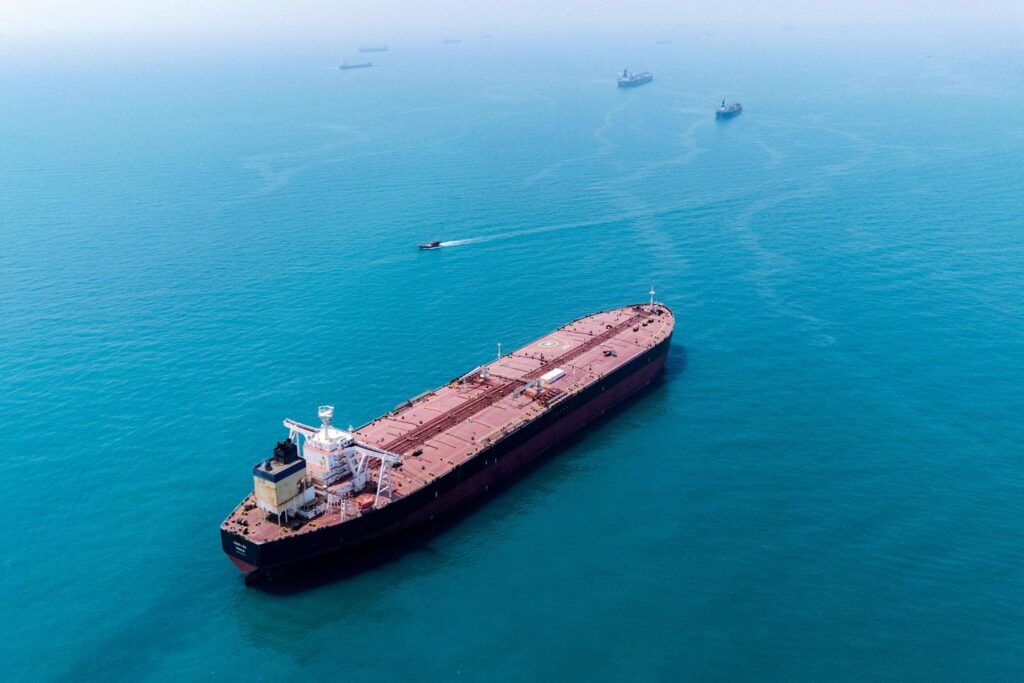

Global oil markets are reacting sharply as tensions in the Middle East escalate, pushing energy prices higher and raising concerns about potential disruptions to the world’s fuel supply. Analysts say the ongoing conflict involving Iran, Israel, and allied forces has added a “risk premium” to oil prices as traders attempt to anticipate possible supply shortages.
Energy markets are particularly sensitive to instability in the Middle East because the region plays a central role in global oil production and transportation. According to the Reuters, oil prices surged in recent trading sessions after the conflict intensified, with investors increasingly worried that military strikes or shipping disruptions could affect oil exports from the region.
For governments and consumers alike, the rising prices highlight how quickly geopolitical conflict can ripple through global energy markets.
Strait of Hormuz Becomes a Major Concern
One of the biggest concerns for energy analysts is the security of the Strait of Hormuz, a narrow waterway between Iran and the Arabian Peninsula that serves as one of the world’s most critical oil transit routes.
Roughly 20 percent of the world’s oil supply passes through the Strait of Hormuz, making it a vital corridor for energy exports from countries such as Saudi Arabia, Iraq, Kuwait, and the United Arab Emirates. According to analysis reported by the U.S. Energy Information Administration, any disruption to shipping through the strait can quickly affect global oil prices.
Recent military activity in the region has already prompted shipping companies and insurers to raise concerns about tanker safety, increasing transportation costs and adding further pressure on energy markets.
Markets React to Supply Risks
Oil traders closely monitor geopolitical developments because even the threat of disruption can send prices higher. When markets believe supplies could tighten, energy futures contracts often rise quickly.
The Associated Press reported that global oil benchmarks climbed as investors responded to the growing risk that the conflict could spread further across the Middle East. Analysts cited by the news organization noted that attacks on energy infrastructure or shipping routes could significantly affect global supply.
In addition, several financial institutions have warned that prolonged conflict could push crude prices much higher if oil shipments are interrupted.
Economic Ripple Effects Around the World
Higher oil prices rarely stay confined to energy markets. When crude prices rise, the cost of gasoline, diesel, aviation fuel, and shipping often follows.
According to economic analysis reported by the The Guardian, sustained increases in oil prices can contribute to rising inflation and higher costs for industries that depend heavily on transportation and fuel.
Airlines, trucking companies, and manufacturing industries are particularly sensitive to energy price fluctuations. As fuel costs increase, those expenses often pass through supply chains and eventually reach consumers.
For households, that can mean higher prices for everything from groceries to airline tickets.
Governments Monitoring the Situation
Governments and international organizations are closely watching developments in the Middle East as the conflict continues.
Energy security experts say major oil-producing countries may attempt to increase production if supplies become disrupted. However, ramping up production can take time and may not fully offset sudden supply shocks.
According to the International Energy Agency, global oil markets remain vulnerable to geopolitical disruptions because supply chains depend heavily on a few key regions.
As a result, even localized conflicts can have global economic consequences.
A Conflict With Global Economic Impact
The Middle East has long been one of the most important regions in the global energy system. When tensions escalate there, oil markets tend to react quickly.
For now, traders and policymakers are watching closely to see whether the conflict will continue to intensify or move toward de-escalation.
If the situation worsens or begins affecting energy infrastructure and shipping routes, analysts warn that oil prices could rise further.
And as history has shown, when energy prices surge, the economic impact is often felt far beyond the region where the conflict began.