
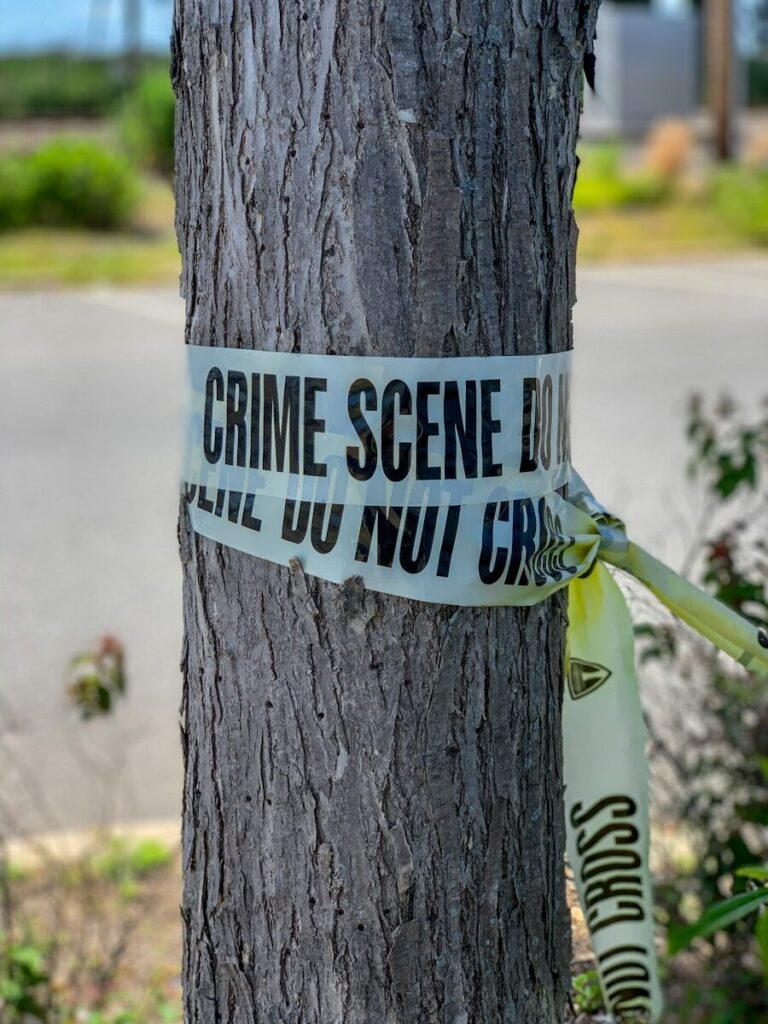
How Rising Crime Rates Are Influencing Elections
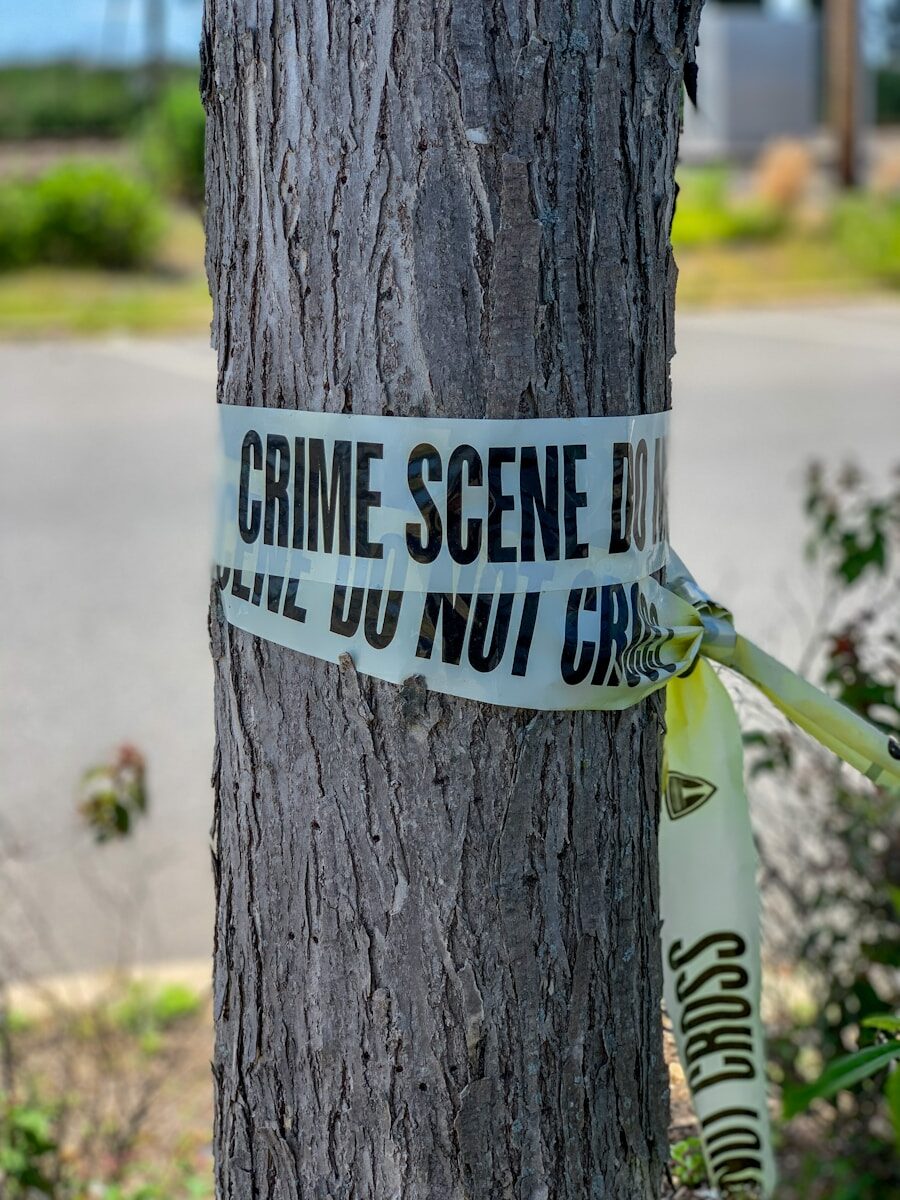
Crime Becomes a Central Campaign Issue
Crime has long been a factor in American politics, but in recent election cycles, it has moved to the forefront of campaign messaging. Candidates at the local, state, and national levels are increasingly focusing on public safety as a defining issue.
Rising concerns about violent crime, property crime, and community safety are shaping how voters evaluate candidates—and how campaigns are being run.
As a result, crime is no longer just a local issue. It has become a key political talking point across the country.
What the Data Shows
Crime trends can be complex, with different types of crime rising or falling at different times.
According to data from the Federal Bureau of Investigation, certain categories of violent crime saw increases in recent years, though trends vary by location and time period.
At the same time, some cities have reported declines in specific crimes, highlighting the uneven nature of crime data across the country.
Despite these variations, public perception of crime often plays a major role in shaping political outcomes.
Public Perception vs Reality
Even when crime data shows mixed trends, public concern about safety can influence elections.
High-profile incidents, media coverage, and local experiences can shape how voters feel about crime in their communities.
According to surveys conducted by the Pew Research Center, many Americans rank crime as a top concern, particularly during election cycles.
This perception can drive political messaging, even when actual crime rates vary.
Campaign Strategies Focused on Safety
Candidates across the political spectrum are increasingly tailoring their campaigns around crime and public safety.
Some emphasize stricter law enforcement policies, increased police funding, and tougher sentencing laws.
Others focus on broader approaches, including community programs, mental health services, and criminal justice reform.
According to election analysis from the Cook Political Report, crime-related messaging has become a key factor in competitive races, particularly in urban and suburban areas.
Local Elections, National Impact
While crime policy is often decided at the local level, its political impact extends nationally.
Mayoral races, district attorney elections, and gubernatorial contests frequently center on crime-related issues.
These local outcomes can influence national political narratives and shape broader policy debates.
In some cases, election results have led to shifts in how cities and states approach law enforcement and criminal justice.
A Dividing Issue Among Voters
The debate over how to address crime remains deeply divided.
Some voters prioritize increased policing and enforcement, while others emphasize reform and addressing root causes of crime.
These differing perspectives reflect broader political and ideological divides across the country.
A Continuing Political Force
As elections continue, crime is likely to remain a major issue shaping campaigns and voter decisions.
Whether driven by data, perception, or political strategy, public safety concerns are influencing how candidates position themselves and how voters cast their ballots.
And as communities grapple with complex crime trends, the political impact of those concerns shows no sign of fading.