
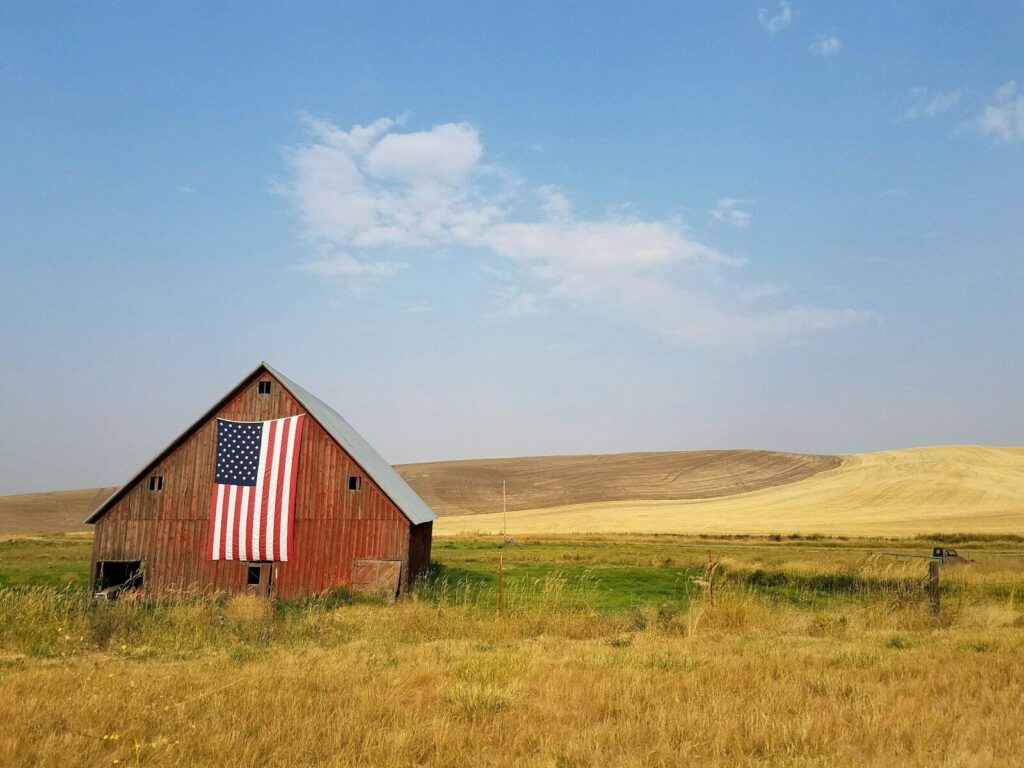
Why Rural America Feels Ignored by National Politics
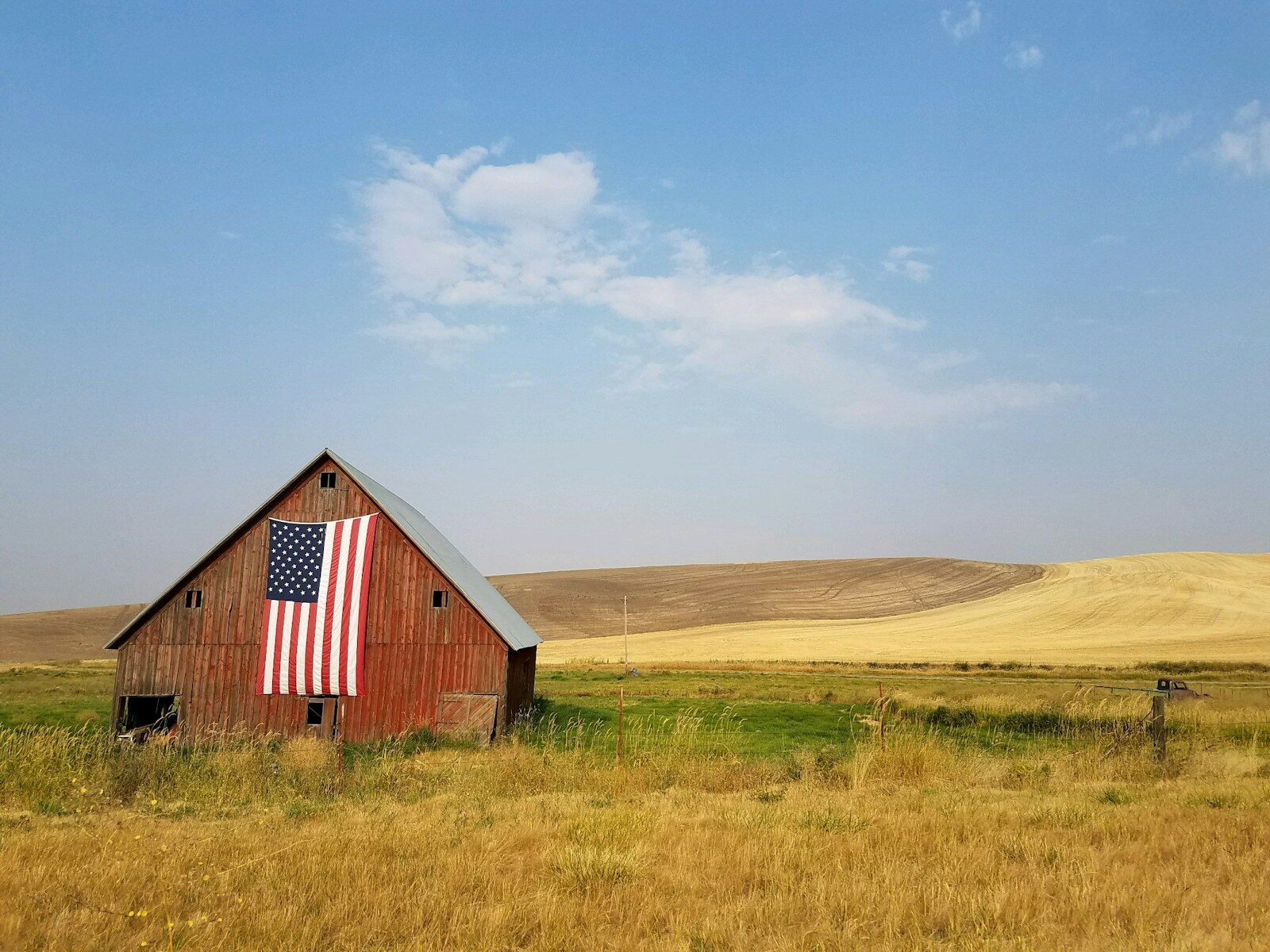
A Growing Divide Between Rural Communities and Washington
Across the United States, many residents of rural communities say they feel increasingly disconnected from national political discussions. While major policy debates often focus on issues affecting large metropolitan areas, people living in small towns and agricultural regions frequently believe their concerns receive far less attention.
The perception that rural America is overlooked has become a major theme in political conversations over the past decade. From farm policy to infrastructure investment, many rural voters say their priorities rarely dominate national headlines or policy agendas.
This sense of political distance has helped shape voting patterns, policy debates, and the broader relationship between rural communities and the federal government.
Population Shifts Are Changing Political Focus
One reason rural communities feel less represented is the simple reality of population change. Over the past century, the United States has experienced a massive shift toward urban and suburban living.
According to the U.S. Census Bureau, roughly 80 percent of Americans now live in urban areas, compared with less than half of the population a century ago.
As population centers have grown, political attention has increasingly focused on the challenges facing cities and suburbs.
Urban issues such as public transportation, housing density, and metropolitan infrastructure often dominate policy discussions in Washington.
For many rural residents, that shift reinforces the feeling that their communities receive less attention from national leaders.
Economic Changes in Rural Regions
Economic changes have also played a major role in shaping rural political attitudes.
Many rural communities historically relied on industries such as agriculture, mining, timber, and manufacturing. Over the past several decades, technological changes and global economic competition have reshaped many of those industries.
According to research published by the Economic Research Service, rural regions have experienced slower job growth and population declines in some areas compared with urban regions.
Farm consolidation, automation, and shifting global markets have altered the structure of agriculture as well.
While many rural economies remain strong, the transition has created uncertainty for some communities that once relied on industries that are now smaller or more mechanized.
Infrastructure and Access Challenges
Infrastructure issues often highlight the differences between rural and urban areas.
Access to healthcare, broadband internet, and transportation networks can be more limited in rural regions. These challenges can affect economic opportunities and quality of life for residents.
According to data from the Federal Communications Commission, rural households are significantly more likely than urban households to lack access to high-speed broadband internet.
That gap has become especially important as remote work, online education, and digital commerce become increasingly central to the modern economy.
Many rural leaders argue that greater infrastructure investment could help bridge these gaps and strengthen local economies.
Cultural Differences in Political Conversations
Cultural differences between urban and rural communities also contribute to political tensions.
Issues such as land use, energy development, gun ownership, and environmental regulations often affect rural residents differently than urban populations.
For example, policies related to public land management or agricultural regulation may have direct impacts on rural livelihoods.
According to research conducted by the Pew Research Center, political attitudes often vary significantly between rural and urban voters on issues ranging from government regulation to economic policy.
These differences can sometimes make rural communities feel that national political conversations are shaped primarily by urban perspectives.
Representation and Political Influence
Despite these concerns, rural areas continue to hold significant political influence in certain ways.
The structure of the U.S. Senate ensures that each state receives equal representation regardless of population size. That means rural states can still play an important role in shaping federal legislation.
However, in the House of Representatives and presidential elections, population-based representation means that urban areas often carry greater electoral weight.
According to analysis from the Brookings Institution, this dynamic can create tensions as policymakers attempt to balance the needs of diverse communities across the country.
A Debate About Attention and Priorities
The debate over rural representation ultimately centers on questions of political attention and policy priorities.
Rural leaders often argue that agriculture, energy production, and natural resource management remain critical parts of the national economy and deserve greater focus from policymakers.
Urban policymakers, meanwhile, face pressure to address challenges related to housing affordability, public transportation, and economic inequality in large metropolitan areas.
Balancing these competing priorities can be difficult in a country as geographically and economically diverse as the United States.
Bridging the Urban–Rural Divide
Many political analysts say bridging the urban–rural divide will require greater recognition of how different regions experience economic and social challenges.
Policies that strengthen infrastructure, support local industries, and improve access to healthcare and education could help address some of the concerns raised by rural communities.
At the same time, fostering dialogue between urban and rural regions may help reduce misunderstandings about the priorities of different communities.
As national politics continues to evolve, the voices of rural Americans will remain an important part of the broader conversation about the country’s future.