
How State Wildlife Policies Are Turning Into Political Issues
Wildlife management has traditionally been guided by scientific research and overseen by state wildlife agencies staffed with biologists and conservation experts. But in recent years, decisions about how animals are managed—especially predators and large game species—have increasingly moved into the political arena.
Legislatures, ballot initiatives, and public advocacy campaigns now frequently shape policies involving wolves, bears, mountain lions, and other wildlife species. These debates often pit conservation priorities against agricultural interests, hunting traditions, and competing visions for how ecosystems should be managed.
According to the Association of Fish and Wildlife Agencies, wildlife management decisions can have wide-ranging impacts on ecosystems, local economies, and cultural traditions such as hunting and fishing.
Because of those impacts, wildlife policies have become politically charged issues in many states.
Predator Management Controversies
Few wildlife issues generate as much debate as the management of predator populations.
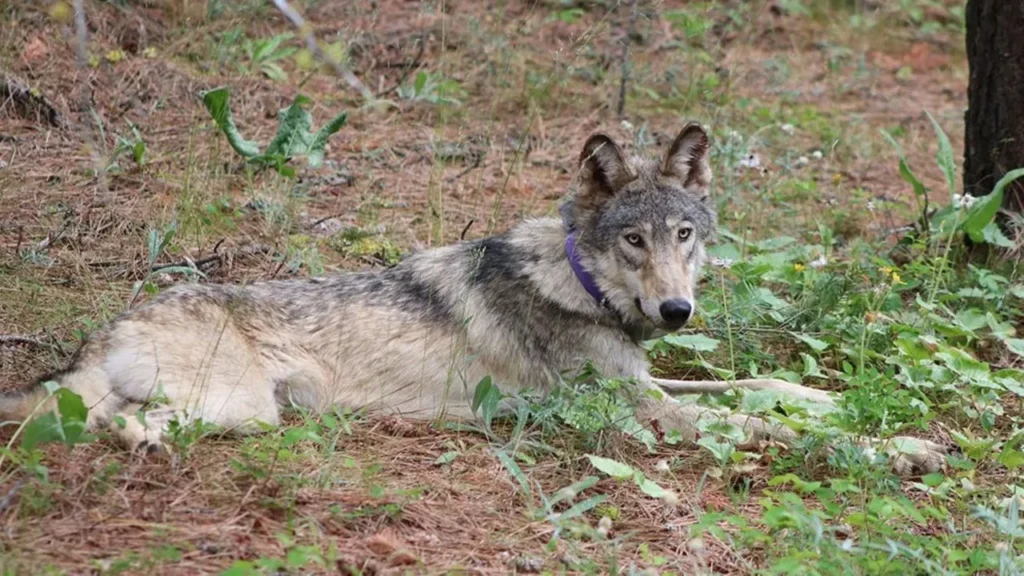
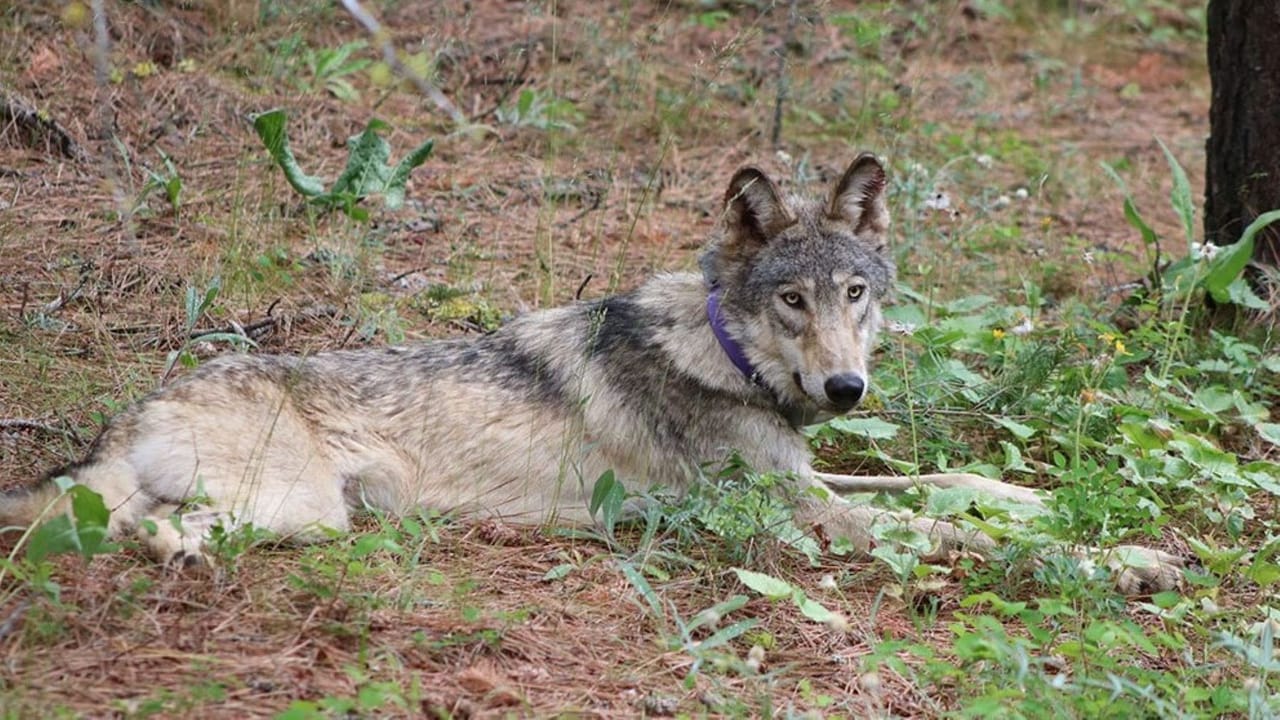
Gray wolves, for example, have been the focus of numerous political battles in the United States. After wolves were reintroduced to parts of the western U.S. in the 1990s, their populations gradually expanded across several states.
While many conservation groups celebrate the return of wolves as an environmental success, ranchers and some hunters argue that growing predator populations can threaten livestock and reduce populations of big game animals.
According to population data reported by the U.S. Fish and Wildlife Service, wolf populations have recovered significantly since the species was listed under the Endangered Species Act decades ago.
These recovery efforts have sparked debates over whether states should allow wolf hunting seasons or maintain strict protections.
Ballot Initiatives and Public Opinion
Another reason wildlife policy has become political is the increasing use of ballot initiatives.
In several states, voters have been asked to decide directly whether certain animals should be hunted or protected. These public votes sometimes override the recommendations of wildlife agencies.
Supporters of ballot initiatives argue that wildlife belongs to the public and that voters should have a direct say in how animals are managed.
Critics, including many wildlife professionals, argue that complex biological decisions should be guided by science rather than popular opinion.
The growing role of public voting in wildlife policy reflects broader political debates about conservation, land use, and rural economies.
The Role of Hunting in Wildlife Management
Hunting regulations themselves can also become political issues.
State wildlife agencies frequently adjust hunting seasons, bag limits, and equipment regulations based on population data. These changes are intended to maintain healthy wildlife populations while providing recreational opportunities for hunters.
However, adjustments to hunting regulations often draw strong reactions from different groups.
According to the National Shooting Sports Foundation, hunting also plays a major role in conservation funding through license fees and excise taxes that support wildlife management programs.
Because of these economic and cultural factors, wildlife policy debates often extend far beyond biology.
Balancing Science and Public Opinion
The challenge facing wildlife agencies today is balancing scientific research with political realities.
As wildlife management becomes more visible in public debates, policymakers must navigate competing perspectives from conservationists, hunters, ranchers, and environmental groups.
While science remains the foundation of wildlife management, the political landscape surrounding these decisions continues to grow more complex.