
Public health officials across the United States are warning that declining vaccination rates and growing measles outbreaks are stretching local health departments to their limits. In places like West Texas, health officials say the cost of containing outbreaks is rising quickly—both financially and emotionally—while staff shortages make rapid response increasingly difficult.
In Lubbock, Texas, local health leaders say they were forced to rely on overworked staff and limited outside help as they responded to a measles outbreak that began in a largely unvaccinated Mennonite community in nearby Gaines County.
According to NBC News, Katherine Wells, director of the Lubbock Public Health Department, said her team struggled to manage the growing number of potential exposures in pediatric clinics, urgent care centers, restaurants, and daycare facilities.
Local Health Workers Pushed to Their Limits
Wells said her department needed additional staff to track exposures and manage quarantine measures during the outbreak.
“We were really relying on staff that aren’t hourly, because I can work them for 80 hours if I have to, which is horrible,” Wells told NBC News.
In emergency planning meetings with the Texas Department of State Health Services, Wells requested roughly $100,000 to hire temporary workers to help exhausted staff manage contact tracing and outreach.
“I was like, can I just have money so that if I need a few hours of work from a retired school nurse who we’ve worked with before, I can just pay them?” Wells said.
According to NBC News reporting, the state ultimately declined the funding request. Officials instead sent a small number of traveling nurses to assist, but no additional financial support was provided.
Why Measles Outbreaks Require Rapid Response
Public health experts say stopping measles outbreaks requires immediate action.
Health departments must identify every person exposed to the virus, determine whether they are vaccinated, and monitor them for symptoms. Unvaccinated individuals may be required to quarantine for up to three weeks.
That process requires extensive staffing and coordination.
To manage the outbreak, Wells said at least half of the Lubbock Health Department staff was temporarily reassigned to outbreak response while still maintaining normal daily operations.
Vaccination Rates Falling Nationwide
Public health researchers say declining vaccination rates are increasing the risk of widespread outbreaks.
According to an investigation by Stanford University and NBC News, more than two-thirds of U.S. counties have experienced noticeable declines in childhood vaccination rates since 2019.
Among states that track measles, mumps, and rubella (MMR) vaccination coverage, about 67% of counties now fall below the threshold needed to prevent outbreaks.
Measles was officially declared eliminated in the United States in 2000, but falling vaccination rates are now threatening that status.
Economic Costs of Measles Outbreaks
Beyond the health risks, researchers say outbreaks carry significant financial costs.
According to a new report from the Yale School of Public Health, if measles vaccination rates drop by just 1% annually for five years, the economic cost to the United States could reach $1.5 billion per year.
Researchers estimated that $41.1 million annually would go toward direct medical care, while roughly $947 million would be needed for public health response efforts such as surveillance, testing, and contact tracing.
Lost productivity from workers missing time due to illness or quarantine could reach another $510 million annually.
Dr. Dave Chokshi, chair of the Common Health Coalition, said outbreaks ripple through every part of the health care system.
“The human consequences of measles outbreaks are important for us to face very squarely,” Chokshi told NBC News. “But we also wanted to make it clear that there are economic consequences, including employees absorbing lost work and health systems straining to respond.”
The Cost of Individual Outbreaks
Researchers have also examined the cost of responding to smaller outbreaks.
According to a study by the Johns Hopkins Bloomberg School of Public Health, the initial response to a measles outbreak in a community typically costs about $244,000 in public health resources.
Each additional case can add roughly $16,000 in costs tied to contact tracing, medical treatment, and quarantine monitoring.
That means a small outbreak involving just five cases could exceed $324,000, while a 50-case outbreak could cost around $1 million.
The research, posted on the scientific preprint site medRxiv, analyzed measles outbreaks across 18 U.S. states since 2004.
Real-World Outbreak Costs
Past outbreaks illustrate how quickly costs can escalate.
In 2019, Clark County, Washington experienced a measles outbreak involving 72 confirmed cases. According to county health officials cited by NBC News, investigators worked around the clock monitoring quarantined residents and conducting contact tracing.
Dr. Alan Melnick, the county’s public health director, said officials brought in staff from multiple jurisdictions—including the Centers for Disease Control and Prevention—to assist with the response.
Ultimately, productivity losses from that outbreak alone exceeded $1 million.
Human Toll Behind the Numbers
Health experts emphasize that the real cost of measles outbreaks goes beyond finances.
According to the CDC, more than one in ten measles patients in recent outbreaks required hospitalization due to complications such as pneumonia, dehydration, and severe respiratory distress.
In rare cases, the virus can cause encephalitis—brain inflammation that may lead to seizures, blindness, or long-term neurological damage.
Two young girls in Texas, ages 6 and 8, died from measles complications within weeks of diagnosis during recent outbreaks.
Dr. Chokshi said statistics alone cannot capture the impact of the disease.
“Behind every number is a child struggling with a devastating illness or a family dealing with an unexpected hospitalization,” he said.
The Challenge Ahead
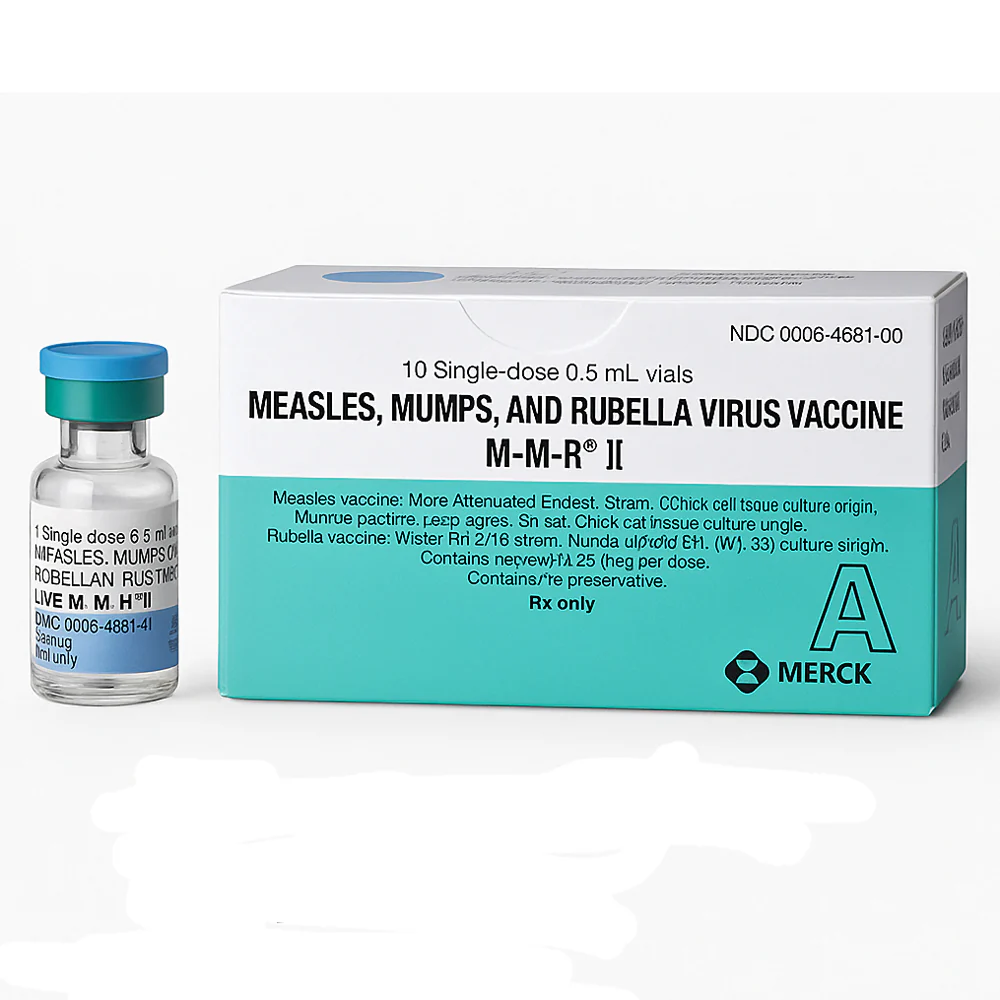
Public health officials say the key to preventing future outbreaks remains vaccination.
The measles vaccine is widely available and free in the United States through public health programs. Yet declining vaccination rates continue to leave some communities vulnerable.
As outbreaks spread across multiple states and health departments face mounting strain, experts warn that preventing measles may ultimately cost far less than responding after the virus takes hold.
For local health workers like Wells, the lesson from recent outbreaks is clear: when vaccination rates drop, the cost—both human and financial—rises quickly.